Long exposure photography means leaving your camera’s shutter open for longer than usual, from about half a second to several minutes. Anything that moves during that time blurs, and anything that stays still stays sharp. That simple idea lets you turn waterfalls into silk, cars into ribbons of light and the night sky into star trails.
How Long Is a “Long” Exposure?
Most everyday photos use shutter speeds of 1/125 second or faster, which freeze movement. A long exposure is anything slow enough to show movement as blur. In practice:
| Shutter speed | What it does | Typical subject |
|---|---|---|
| 1/4 – 1 second | Soft blur on fast water or people walking | Streams, busy streets |
| 1 – 10 seconds | Smooth, milky water; light trails from traffic | Waterfalls, city roads at dusk |
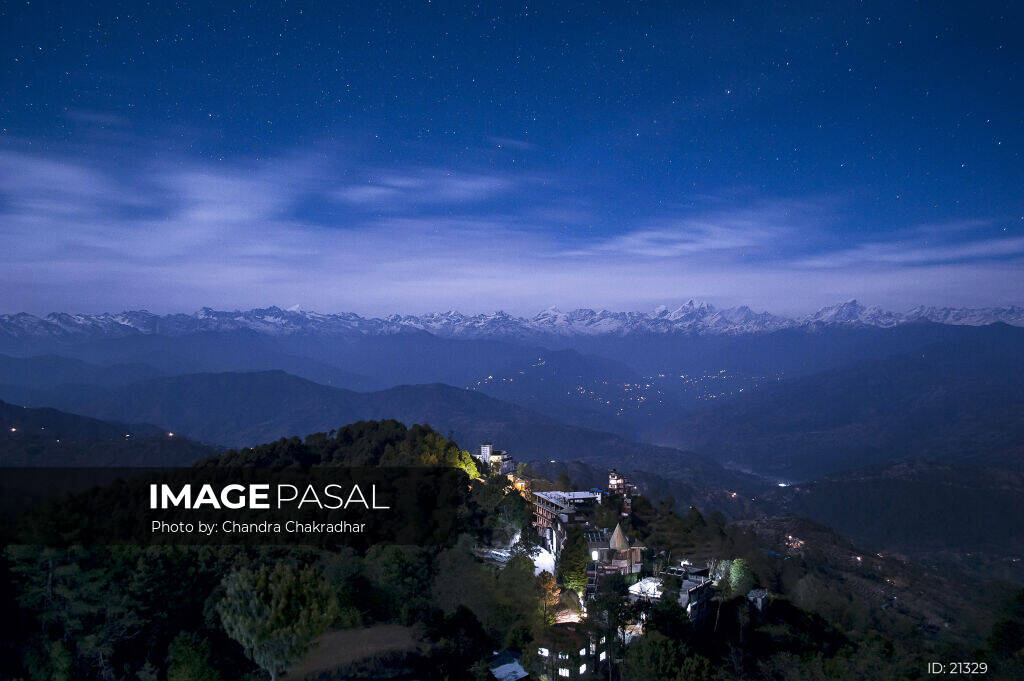
| 10 – 30 seconds | Sharp stars, glassy lakes, glowing city lights | Night skies, lakes, temples at night |
| 30 seconds – several minutes | Streaking clouds, star trails, empty-looking streets | Daytime skies with an ND filter, star trails |
Why Photographers Love Long Exposures
- It shows time. One frame captures what happened over seconds or minutes.
- It simplifies busy scenes. Moving crowds fade away, leaving the temple or square behind them.
- It works at night. A long shutter gathers enough light to shoot city lights and stars without flash.
- It creates mood. Silky water and soft clouds feel calm and dreamy.
Classic Long Exposure Subjects in Nepal
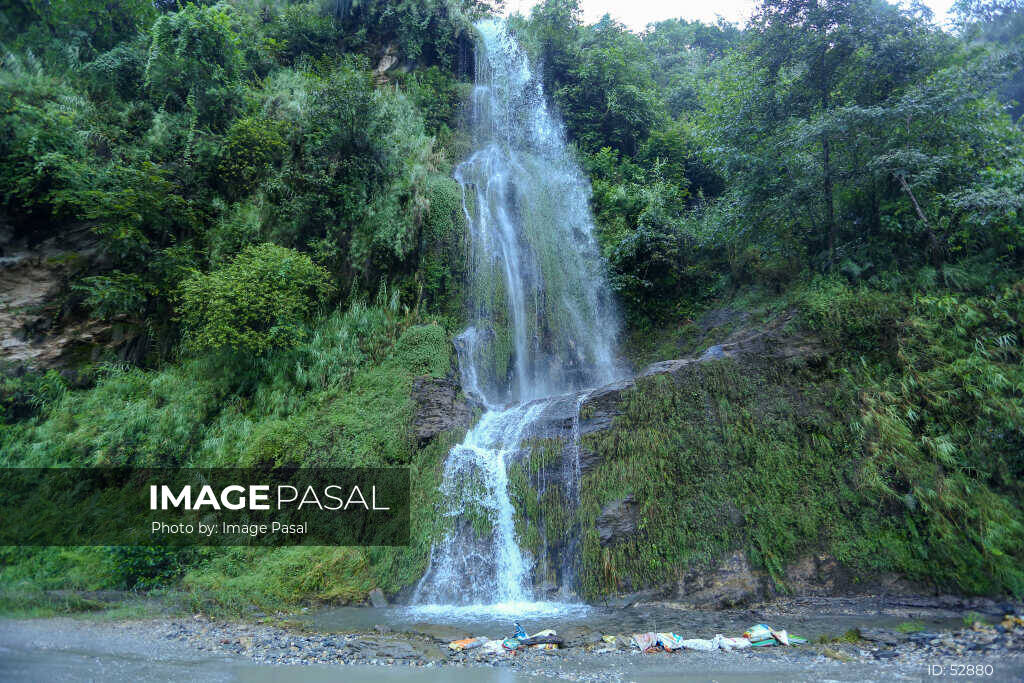
- Waterfalls and rivers: roadside falls along the Araniko and Prithvi highways, Davis Falls in Pokhara, and mountain streams on any trek.
- Lakes: Phewa, Begnas, Rara and Taudaha turn mirror-smooth with a long shutter.
- Night cities: traffic trails around Ratna Park, Ghantaghar and the Ring Road; lit stupas at Boudha and Swayambhu.
- Stars: Nagarkot, Sarangkot, Kalinchowk and any high trekking village on a clear, moonless night.
- Festivals: spinning lights, sparklers and moving chariots during Tihar or jatras.
What You Need
- A camera with manual or shutter-priority mode. Most interchangeable-lens cameras and many phones have one.
- A tripod, or a wall or rock to rest the camera on. The camera must not move.
- A remote or the self-timer, so pressing the button doesn’t shake the camera.
- An ND filter for daytime long exposures. It cuts light so you can use a slow shutter without overexposing.
Common Mistakes
- Everything is blurry: the camera moved. Use a tripod and timer, and turn off image stabilisation when on a tripod.
- The photo is pure white: too much light. Use a smaller aperture, lower ISO or an ND filter.
- Stars look like dashes: the exposure was too long for the lens. Shorten it, or embrace it and shoot star trails.
Next Step: Try It Yourself
Our step-by-step guide on how to shoot long exposure photos, with exact camera settings for waterfalls, light trails and stars, is coming next on the Image Pasal blog. And when you get a shot you’re proud of, upload it to Image Pasal. Night and long exposure photos are among the most-needed categories on the site.
Frequently Asked Questions
What shutter speed counts as long exposure?
Generally anything slower than about 1/2 second, where movement starts to blur visibly.
Can I do long exposure on a phone?
Yes. Many phones have a night mode or a “long exposure” Live Photo effect, and apps with manual controls let you set the shutter speed. Rest the phone on something solid.
Do I need an ND filter?
Only for long exposures in daylight. At dusk and night there is little enough light that you don’t need one.