Stock Photography in Nepal vs. Custom Photography: Which Is Right for Your Business?
In today’s digital world, high-quality images play an important role in attracting customers, building brand identity, and communicating ideas. Whether you run a small business, manage a marketing campaign, operate an online store, or create digital content, choosing the right photography can make a significant difference in how your audience sees your brand.
When searching for the right visuals, two popular options are stock photography and custom photography. Both offer unique advantages, but the best choice depends on your budget, project requirements, timeline, and branding goals.
For businesses, marketers, designers, and content creators looking for visual content, understanding the difference between Stock Photography in Nepal and Custom Photography in Nepal can help you make better decisions. This guide explores the benefits, limitations, and practical uses of both options so you can choose the right photography solution for your needs.
What Is Stock Photography?
Stock photography refers to photographs that have already been captured and made available for licensing through online photography platforms. These images cover a wide range of subjects, including landscapes, business activities, food, travel destinations, people, products, culture, and everyday life.
Instead of hiring a photographer for every project, you can search an image library, select a suitable photograph, and purchase a license to use it for your intended purpose.
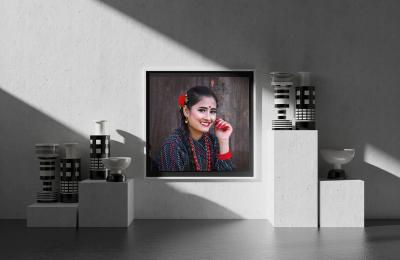
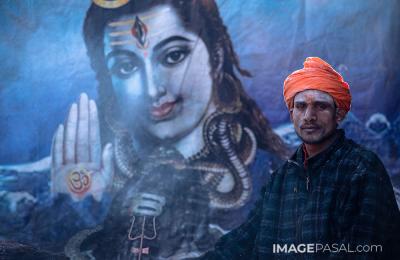
Stock Photography in Nepal can be particularly useful for businesses and creators seeking images of Nepalese landscapes, cultural traditions, festivals, tourist destinations, local businesses, and daily life. Such photographs can help brands create more relevant content for audiences interested in Nepal.
Advantages of Stock Photography
1. Affordable and Cost-Effective
One of the biggest advantages of stock photography is its affordability. Hiring a photographer for a dedicated shoot can involve expenses for equipment, transportation, models, locations, and editing. Stock images can provide a more economical alternative, particularly for small businesses, startups, bloggers, and marketing teams working with limited budgets.
2. Wide Selection of Images
Stock photography libraries provide images across numerous subjects, styles, and themes. Whether you need pictures for a website, social media post, advertisement, brochure, presentation, or blog article, you can explore different options in one place.
For businesses operating in Nepal, locally relevant photographs can also help communicate regional identity and connect with the intended audience.
3. Quick and Convenient Access
Stock images are already photographed and uploaded, making them convenient for projects with tight deadlines. Once you find a suitable image and complete the required licensing process, you can use it without waiting for a new photoshoot.
4. Saves Time and Effort
Organizing a professional photoshoot requires planning, scheduling, location selection, and post-production. Stock photography removes many of these steps, allowing businesses and content creators to focus on other parts of their projects.
5. Suitable for Multiple Marketing Needs
Stock photos can be used for many visual communication purposes, subject to the relevant license. Common applications include blog posts, website banners, social media campaigns, email newsletters, educational materials, and promotional designs.
Disadvantages of Stock Photography
1. Limited Originality
Stock images are generally available to multiple buyers, depending on their licensing terms. As a result, the same photograph may appear on different websites, advertisements, or social media accounts. This can make it harder for a brand to establish a distinctive visual identity.
2. May Not Match Your Exact Requirements
Although stock libraries offer many choices, you may not always find a photograph that matches your preferred composition, brand colors, product arrangement, or campaign concept.
3. Licensing Restrictions
Purchasing or downloading an image does not automatically give you unlimited rights to use it. Different licenses may impose restrictions on commercial use, redistribution, modification, or use in certain products. Always review the license before using a photograph.
4. Limited Brand-Specific Storytelling
Stock images may not feature your actual employees, products, office, or customers. If your marketing strategy depends on showing real people and experiences associated with your business, custom photography may be more appropriate.
What Is Custom Photography?
Custom photography is the process of creating photographs specifically for an individual, business, organization, or project. It usually involves working with a photographer to plan and capture images according to specific creative and commercial requirements.
For example, a company may hire a photographer to capture its office environment, introduce its employees, showcase its products, or document a special event.
Custom Photography in Nepal can be valuable for businesses that want to highlight their unique products, services, people, and locations. It is also useful for hotels, restaurants, tourism companies, real estate agencies, manufacturers, and organizations that need original visual content.
Advantages of Custom Photography
1. Unique Images for Your Brand
Custom photography gives you greater control over the final images. The photographs can be created specifically for your business, helping you communicate your identity and stand apart from competitors.
2. Greater Creative Control
You can collaborate with a photographer to determine the composition, lighting, location, background, subjects, props, and overall style. This flexibility makes it easier to create images that match your marketing strategy.
3. Stronger Brand Identity
Consistent, brand-specific images can help your business develop a recognizable visual identity. Using original photographs across your website, brochures, social media platforms, and advertisements can create a more cohesive customer experience.
4. Authentic Visual Storytelling
Custom photography allows you to showcase your actual team, products, facilities, services, and customers, where appropriate. These real-world visuals can help audiences better understand your business and what makes it different.
5. Images Designed for Specific Purposes
When commissioning a photoshoot, you can request images in particular dimensions, formats, orientations, and compositions. For example, you might need horizontal photographs for website banners, vertical images for social media, or detailed product images for an online store.
Disadvantages of Custom Photography
1. Higher Initial Cost
Custom photography generally requires a larger budget because you are paying for the photographer’s time, expertise, equipment, travel, and editing. Additional expenses may apply for models, locations, props, or production assistance.
2. More Time Required
Planning, scheduling, shooting, selecting, and editing photographs can take several days or longer, depending on the project. This makes custom photography less convenient when images are needed immediately.
3. Requires Careful Planning
A successful photoshoot often requires a clear brief, shot list, suitable location, and coordination among everyone involved. Without proper planning, the results may not meet your expectations.
4. Scheduling and Location Challenges
Photographer availability, weather conditions, travel requirements, and location restrictions can affect the production schedule. These factors are particularly important for outdoor photography and destination-based projects.
Stock Photography vs. Custom Photography: Key Differences
Understanding the differences between stock photography and custom photography can help you select the most suitable option for your project.
| Factor | Stock Photography | Custom Photography |
|---|---|---|
| Cost | Usually more affordable | Generally more expensive |
| Availability | Often available immediately | Requires scheduling and production |
| Uniqueness | Images may be used by multiple buyers | Images are created for your requirements |
| Creative control | Limited to available photographs | Greater control over the shoot |
| Convenience | Quick and easy to access | Requires planning and coordination |
| Brand identity | Useful for general visual content | Ideal for brand-specific storytelling |
| Best for | Blogs, websites, presentations, and routine marketing | Product launches, portraits, campaigns, and original brand content |
Both options can deliver excellent results when used for the right purpose. The goal is not necessarily to choose one over the other, but to understand when each approach offers the greatest value.
How to Choose Between Stock Photography and Custom Photography
Before deciding between stock photography and custom photography, consider your budget, project timeline, brand identity, and intended use.
1. Consider Your Budget
If you need multiple images for regular marketing activities, stock photography can be a cost-effective solution. It allows you to select suitable photographs without arranging a separate shoot for each project.
Custom photography may be a worthwhile investment when the images will play an important role in representing your products, services, or overall brand identity.
For businesses comparing photography options in Nepal, consider not only the initial cost but also how frequently the images will be used and the value they may provide over time.
2. Think About Your Project Timeline
If you need images for an upcoming blog post, social media update, or advertising campaign, stock photography can help you meet a tight deadline.
Custom photography is generally more suitable when you have time to plan a photoshoot and need specific images that are not easily found in existing libraries.
3. Identify Your Branding Requirements
If your business needs authentic photographs of its employees, products, offices, or customers, custom photography offers greater flexibility.
However, stock images can work well for general topics, supporting visuals, website articles, and educational content that does not require a direct representation of your business.
4. Understand the Purpose of the Images
Different projects have different visual requirements.
- Website and blog content: Stock photography can provide relevant supporting visuals quickly.
- Social media marketing: Both options can work, depending on the campaign and brand strategy.
- Product photography: Custom photography is often preferable when customers need accurate images of your actual products.
- Corporate branding: Custom photography can help showcase your team, workplace, and company culture.
- Tourism and travel marketing: Stock photography can provide convenient access to destination images, while custom photography can document specific experiences and locations.
- Brochures and presentations: Stock photos are useful for general concepts, while custom images may be better for company-specific information.
5. Evaluate the Need for Originality
If your brand relies on a distinctive visual style, custom photography may offer a competitive advantage. It enables you to develop a consistent collection of images that reflects your business.
If originality is less important than affordability and convenience, stock photography may be the more practical choice.
6. Check Image Licensing and Usage Rights
Regardless of which option you choose, always clarify how you are permitted to use the photographs.
For stock photography, review the license associated with each image. For custom photography, confirm the agreed usage rights, ownership terms, permitted commercial applications, and any restrictions with the photographer.
Understanding these terms helps you avoid unexpected limitations when using images in advertising, websites, publications, and other commercial projects.
Why Stock Photography in Nepal Is Useful for Businesses and Content Creators
Nepal offers a diverse range of photographic subjects, from the Himalayan mountains and scenic trekking routes to historic architecture, traditional festivals, local communities, wildlife, and urban life.
Access to relevant Nepalese images can help tourism businesses, travel bloggers, advertising agencies, designers, publishers, and international organizations create content that reflects the country’s distinctive character.
For example, a travel company promoting trekking packages may need photographs of mountain trails and villages. A cultural organization may require images of festivals and traditional practices, while a local business may need photographs that represent its community and surroundings.
Using suitable Stock Photography in Nepal can make it easier to find these visuals without having to arrange a new photoshoot for every project. Meanwhile, Custom Photography in Nepal remains valuable when a campaign requires original images of a particular destination, product, person, or experience.
The right approach depends on your creative goals, budget, and the story you want your photographs to tell.
Can You Combine Stock Photography and Custom Photography?
Absolutely. Many businesses achieve the best results by combining both approaches.
Stock photography can support regular marketing activities, such as blog publishing, educational content, social media updates, and presentations. Custom photography can then be reserved for major campaigns, product launches, corporate portraits, and other projects where originality is especially important.
For example, a Nepalese travel company could use stock images to illustrate general travel advice while commissioning custom photographs to showcase its own trekking experiences, guides, accommodations, and itineraries.
This balanced approach can help businesses manage their photography budgets while maintaining a recognizable brand identity.
Conclusion: Find the Right Photography for Your Needs
Stock photography and custom photography both have an important place in modern visual communication. Stock photography offers convenience, affordability, and access to a broad selection of ready-to-use images. Custom photography provides greater creative control, originality, and opportunities to showcase the unique character of a brand.
If you need images quickly and want to manage your budget, stock photography may be the right choice. If your project requires original visuals that represent your business, products, or experiences, custom photography may be worth the investment.
For many businesses and creators, combining both options is the most practical solution.
Discover Nepalese Photography with ImagePasal.com
Finding the right photograph should be simple, accessible, and meaningful. ImagePasal.com exists to help connect photographers with people and businesses looking for photographs, while providing photographers with an opportunity to showcase and sell their work.
By exploring images on ImagePasal.com, buyers can discover photographs that reflect Nepal’s landscapes, culture, destinations, people, and everyday experiences. Purchasing images through a dedicated photography marketplace can make it easier to find relevant visual content, support photographers, and obtain images with clearly stated licensing terms.
Whether you need photographs for a website, travel article, marketing campaign, publication, or creative project, ImagePasal.com offers an additional place to explore visual inspiration and find images that suit your requirements. Depending on availability, you may discover photographs that are difficult to find through general image searches.
For photographers, the platform also provides an opportunity to share their work with potential buyers and generate income from their photography.
Explore ImagePasal.com to discover images for your next project and support the photographers who capture the places, people, and stories that make Nepal unique.