Bhaktapur is the best-preserved of the Kathmandu Valley’s three royal cities, a living museum of brick lanes, pagoda temples, potters and festivals, about 13 km east of Kathmandu. You can photograph it in a day, but it rewards slower visits. Here’s where to go and when.
Where to Shoot
Bhaktapur Durbar Square
The 55-Window Palace, the Golden Gate, Vatsala Durga temple and wide open space. Arrive at sunrise before tour groups.
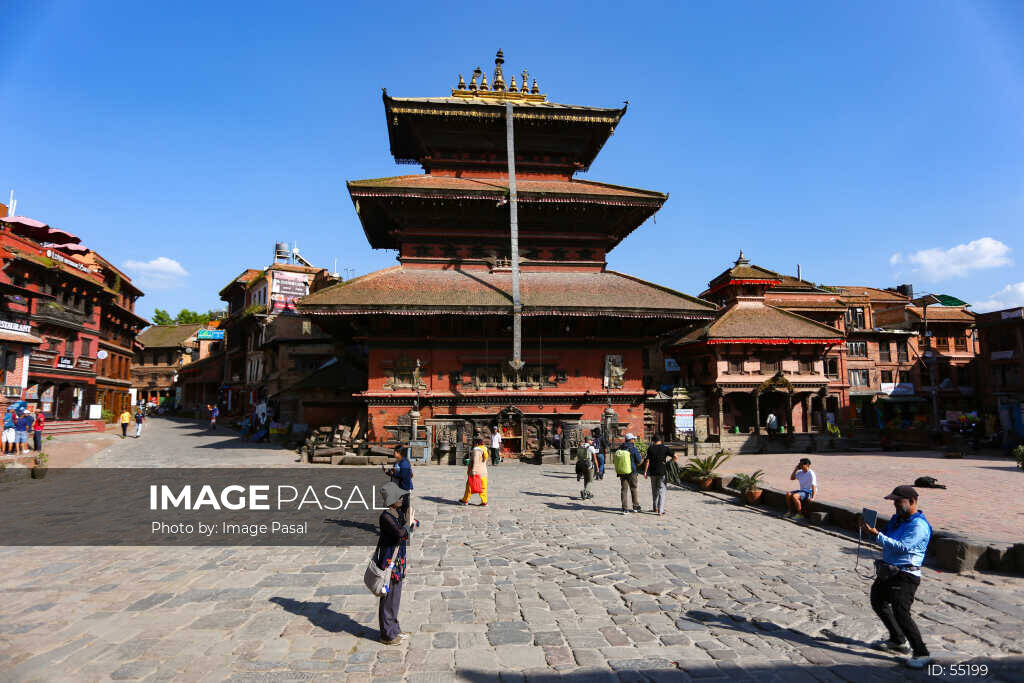
Taumadhi Square and Nyatapola
Nyatapola, Nepal’s tallest pagoda temple at five storeys, rises above the square. Shoot from the steps of the café opposite, or from the temple’s base at golden hour.
Pottery Square
Rows of clay pots drying in the sun and potters at their wheels. Ask before photographing, and consider buying something.
Dattatreya Square and the Lanes
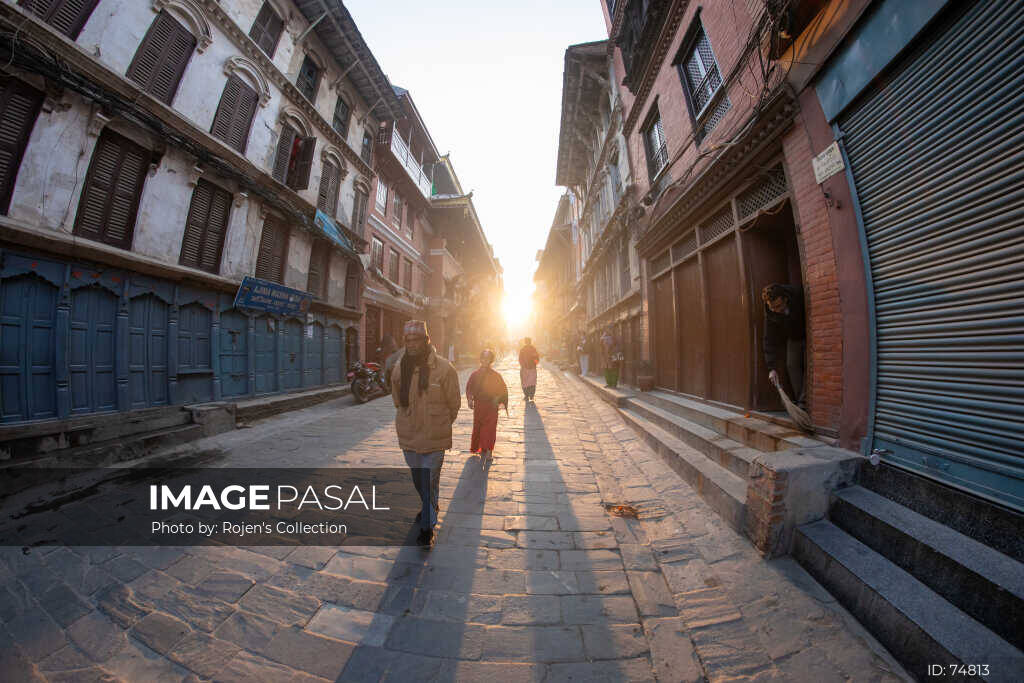
Wood-carving workshops, the Peacock Window, and quiet lanes where daily life goes on: women drying grain, children playing, elders at the pati.
Siddha Pokhari
The large pond at the city’s edge reflects temples and sky at dawn and dusk.
Festivals in Bhaktapur
- Bisket Jatra (Nepali New Year, April): the great chariot tug-of-war and the raising of the lingo pole.
- Gai Jatra (August–September): processions remembering loved ones who died that year.
- Madhav Narayan (Magh): month-long rituals and gatherings at Durbar Square.
- Dashain and Tihar: family rituals and lit courtyards.
Practical Tips
- There is an entry fee for foreign visitors and SAARC nationals; keep your ticket.
- Stay overnight to catch both sunset and sunrise in empty squares.
- Light is best early and late; midday is harsh in the open squares.
- Don’t miss juju dhau (king curd) from a local shop.
- Bring a wide lens for squares and a short telephoto for faces and details.
Explore and Share
See more in our Kathmandu Valley photography spots guide and the culture and festival photographers who know Bhaktapur best. Photographed Bhaktapur? Upload your photos to Image Pasal.