Discover Mustang, Nepal: Muktinath Temple, Sacred Sites, Himalayan Views, and Travel Guide
Mustang is one of the most beautiful and culturally rich destinations in Nepal. Known for its dramatic Himalayan landscapes, ancient monasteries, traditional villages, and sacred temples, Mustang attracts pilgrims, photographers, trekkers, and adventure lovers from around the world. Located in the north-central part of Nepal, this remarkable region offers a unique combination of natural beauty, religious significance, and traditional Tibetan-influenced culture.
Among the many attractions in Mustang, Muktinath Temple is one of the most important religious destinations. Every year, thousands of Hindu and Buddhist pilgrims visit this sacred place to pray, experience its peaceful surroundings, and admire the spectacular mountain scenery. Whether you are planning a religious pilgrimage, a cultural tour, or a photography adventure, Mustang offers an unforgettable travel experience.
If you want to explore the beauty of Mustang through photographs, ImagePasal.com is a platform where photographers and travelers can buy and sell digital or printed images of Nepal’s landscapes, temples, mountains, and traditional villages.
 Mustang Nepal
Where Is Mustang Located?
Mustang lies in the north-central part of Nepal, within Gandaki Province. Historically, it was part of the former Dhaulagiri Zone. The region borders Manang District to the east, Dolpa District to the west, the Tibet Autonomous Region of China to the north, and Myagdi District to the south.
The district headquarters, Jomsom, is situated at an altitude of approximately 2,710 meters above sea level. Mustang is famous for its dry climate, rugged mountains, deep valleys, and landscapes that look different from the green hills and forests found in many other parts of Nepal.
The region lies between the majestic Dhaulagiri and Nilgiri mountain ranges. Its varied elevations, from lower river valleys to high Himalayan peaks, create diverse scenery and exciting opportunities for exploration.
Mustang is also known for its ancient settlements, traditional stone houses, Buddhist monasteries, and the historic walled city of Lo Manthang. These attractions make it one of Nepal’s most fascinating destinations for cultural tourism and mountain photography.
Best Places to Visit in Mustang
Mustang offers many religious, historical, and natural attractions. Some of the most popular places to explore include:
- Muktinath Temple: A sacred pilgrimage destination for Hindus and Buddhists.
- Lo Manthang: A historic settlement famous for its traditional architecture, royal palace, and ancient city walls.
- Kagbeni: A beautiful traditional village near the Kali Gandaki River, known for its narrow streets and religious heritage.
- Damodar Kunda: A sacred high-altitude lake associated with Hindu religious traditions.
- Dhumba Lake: A peaceful mountain lake surrounded by beautiful landscapes.
- Titi Lake: A natural attraction offering opportunities for wildlife observation and photography.
- Jomsom: A popular travel hub with mountain views, local culture, and access to the surrounding region.
- Marpha: A traditional village famous for its whitewashed houses, apple orchards, and local apple products.
- Tukuche and Nilgiri: Beautiful mountain areas that attract trekkers, climbers, and photographers.
- Dhaulagiri Mountain: One of the world’s highest mountain peaks, admired for its dramatic Himalayan scenery.
These destinations offer excellent opportunities to explore Mustang’s history, religion, local way of life, and natural beauty.
Muktinath Temple: A Sacred Destination in the Himalayas
Muktinath Temple is one of the most significant religious sites in Mustang and Nepal. Located at approximately 3,800 meters above sea level, the temple is surrounded by the rugged Himalayan landscape and offers breathtaking views of the mountains.
The temple is sacred to both Hindu and Buddhist communities. Hindus worship Lord Vishnu here and believe that visiting Muktinath can help them attain spiritual liberation, while Buddhists associate the area with spiritual purification and the sacred natural elements.
The name Muktinath is commonly associated with liberation or freedom from the cycle of birth and death. The broader region is also known as Muktikshetra, meaning the sacred land of liberation.
According to Hindu religious traditions, ancient scriptures such as the Skanda Purana describe the spiritual importance of this region. Religious stories connect the sacred landscape with divine worship, meditation, and rituals intended to bring peace and spiritual blessings.
For centuries, pilgrims have traveled from different parts of Nepal and neighboring countries to visit Muktinath. Today, the temple remains an important destination for religious tourism, cultural exploration, and Himalayan travel.

Religious and Historical Importance of Muktinath
Muktinath is more than a temple. It is a sacred complex that reflects the shared religious heritage of Hinduism and Buddhism.
The temple area includes several religious structures and traditional features that attract visitors year-round. One of its most recognizable attractions is the collection of 108 water spouts, often called Muktidhara. Pilgrims traditionally bathe beneath these spouts as part of their religious practices.
The temple complex also features a sacred water area, monasteries, prayer spaces, and other structures associated with religious traditions. The nearby Jwala Mai shrine is especially distinctive because a natural flame is traditionally associated with the site. The combination of fire, water, and the surrounding mountains gives the area a special spiritual atmosphere.
The main Muktinath Temple is known for its traditional pagoda-style architecture. Inside, devotees worship Lord Vishnu and other deities. Buddhist traditions are also strongly represented through nearby monasteries, prayer flags, and sacred practices.
This combination of Hindu and Buddhist traditions makes Muktinath a remarkable example of religious harmony in Nepal.
Best Time to Visit Muktinath and Mustang
Choosing the right season can make your Mustang trip more comfortable and enjoyable.
Spring (March to May): Spring is a beautiful time to visit Mustang. The weather is generally favorable for sightseeing, and the mountain scenery can be spectacular. It is also a good season for photography and outdoor activities.
Autumn (September to November): Another popular season for visiting Mustang. Clear skies often provide excellent views of the Himalayas, making this period suitable for pilgrims, trekkers, and photographers.
Summer (June to August): Mustang lies in the rain shadow of the Himalayas, so some areas receive less rainfall than other parts of Nepal. However, road conditions and access routes can still be affected by monsoon rainfall in lower regions.
Winter (December to February): Winter can be extremely cold, particularly at higher elevations. Snow, freezing temperatures, and limited services may make travel more challenging.
Before traveling, check local weather conditions, road access, transportation schedules, and any applicable travel or permit requirements.
How to Reach Muktinath Temple
Travelers can reach Mustang via road and air.
By Road
Visitors commonly travel from Kathmandu to Pokhara and continue toward Beni, Jomsom, and Muktinath. The journey includes mountain roads and changing road conditions, so travel times can vary.
Jomsom is an important transportation hub in Mustang. From there, travelers can continue toward Muktinath by local vehicle or other suitable transportation, depending on current road conditions.
By Air
Flights between Pokhara and Jomsom may be available, depending on weather and operational conditions. Air travel can save time, but mountain flights are particularly sensitive to weather. Travelers should allow flexibility in their itineraries.
By Travel Package
Organized travel packages can be a convenient choice for visitors who prefer assistance with transportation, accommodation, meals, and sightseeing arrangements. These packages may be especially helpful for families, first-time visitors, and pilgrims unfamiliar with the region.
Regardless of your chosen route, it is important to prepare for altitude, cold weather, and changing mountain conditions.
Local Food and Souvenirs in Mustang
A trip to Mustang also offers opportunities to discover local food, traditional products, and regional culture.
Marpha is particularly famous for its apple orchards and apple-based products. Depending on the season and local availability, visitors may find fresh apples, dried apples, and other apple products.
Other local products may include dried apricots, traditional herbs such as jimbu, potatoes, legumes, and regional food items. Jomsom, Marpha, and nearby settlements are good places to explore local markets.
Around Muktinath and Ranipauwa, travelers can find religious souvenirs, prayer flags, traditional accessories, and other items associated with pilgrimage.
When shopping, consider purchasing locally made products and supporting small businesses and communities.
Mustang Photography: Capture the Beauty of the Himalayas
Mustang is a dream destination for photographers. Its landscapes combine snow-covered peaks, rocky cliffs, deep valleys, ancient monasteries, traditional villages, and colorful prayer flags.
Photography enthusiasts can capture a wide range of subjects, including:
- Sunrise and sunset views of the Himalayan mountains.
- The spiritual atmosphere and architecture of Muktinath Temple.
- Traditional houses and narrow streets in Kagbeni and Marpha.
- The historic walls and architecture of Lo Manthang.
- The blue waters and peaceful surroundings of Dhumba Lake.
- Local people, traditional lifestyles, and cultural festivals, with appropriate permission.
- Dramatic landscapes featuring Nilgiri and Dhaulagiri.
For the best results, photographers should prepare for strong sunlight, dust, cold temperatures, and rapidly changing weather. A camera with a suitable wide-angle lens can be useful for landscape photography, while a telephoto lens can help capture distant mountain details.
Always respect local customs, religious practices, and people’s privacy when taking photographs.
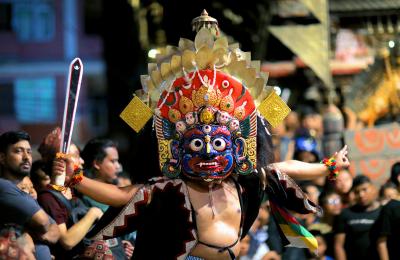
 Tiji Festival, Lo-Manthang
Buy and Sell Mustang Photos on ImagePasal.com
Mustang’s extraordinary landscapes deserve to be shared with people around the world. Whether you are looking for beautiful Himalayan wall art, travel photographs, images of Muktinath Temple, or traditional Mustang villages, ImagePasal.com offers an opportunity to discover and purchase photographs of Nepal.
Travelers, businesses, designers, bloggers, and photography enthusiasts can explore images suitable for personal collections, home decoration, travel publications, websites, and other creative projects. Depending on the available listing, buyers may choose digital images or printed photographs.
ImagePasal.com also offers photographers the opportunity to turn their passion into a source of income. If you visit Mustang and capture beautiful photographs of Muktinath Temple, Lo Manthang, Kagbeni, Marpha, Nilgiri, or Dhaulagiri, consider uploading your original images to ImagePasal.com for sale.
By sharing and selling your photographs, you can help promote Nepal’s natural beauty and cultural heritage while giving other people access to memorable views of Mustang.
Photographers should ensure that they own the rights to the images they upload and have appropriate permission for identifiable people or restricted locations when required. Buyers should review the available image details and licensing terms before purchasing.
Travel Tips for Visiting Mustang
Before planning your journey, keep these practical tips in mind:
- Prepare for altitude: Muktinath is located at a high elevation. Take time to adjust and avoid rushing your journey.
- Carry warm clothing: Even during warmer months, temperatures can drop quickly in the mountains.
- Check transportation: Road and flight conditions can change because of weather and other local factors.
- Respect religious traditions: Dress appropriately and follow local guidelines at temples and monasteries.
- Carry cash: Some remote settlements may have limited banking and digital payment services.
- Stay hydrated: Drink enough water and allow yourself sufficient rest during the journey.
- Protect your camera equipment: Dust, wind, cold, and bright sunlight can affect photography equipment.
- Check local requirements: Confirm current permits, access restrictions, accommodation options, and travel arrangements before departure.
Conclusion: Discover the Spiritual and Natural Beauty of Mustang
Mustang is a destination where spirituality, history, culture, and Himalayan adventure come together. From the sacred Muktinath Temple and the 108 water spouts to the ancient streets of Kagbeni, the traditional houses of Marpha, and the historic walled city of Lo Manthang, every journey offers something memorable.
Whether you are a religious pilgrim seeking spiritual peace, a traveler looking for an unforgettable Himalayan adventure, or a photographer hoping to capture the beauty of Nepal, Mustang deserves a place on your travel list.
Plan your journey, explore the region’s remarkable destinations, and capture photographs that preserve your memories for years to come. If you want to buy beautiful Mustang photographs or printed pictures of its temples, mountains, lakes, and villages, explore ImagePasal.com. Photographers visiting Mustang can also help promote Nepal’s beauty by sharing their original photographs and offering them for sale on the platform.
Discover Mustang, experience Muktinath, and bring the beauty of the Himalayas into your life through travel and photography.