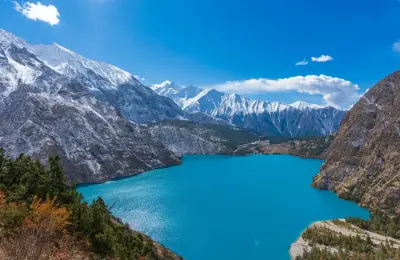
Light makes the photo. The hour after sunrise and before sunset, called the golden hour, gives warm, soft, low-angle light that flatters landscapes, people and buildings. Just after sunset and before sunrise comes the blue hour, when the sky glows deep blue and city lights balance with the fading day. In Nepal, these two windows turn ordinary scenes into images buyers want.
What Is Golden Hour?
Golden hour is roughly the first hour after sunrise and the last hour before sunset. The sun is low, so light travels through more atmosphere, becoming warmer and softer. Shadows are long, textures stand out, and skin tones glow.
What Is Blue Hour?
Blue hour is the 20 to 40 minutes before sunrise and after sunset, when the sun is just below the horizon. There is no direct sunlight, and the sky turns cool blue. It’s perfect for cityscapes, lit temples and night markets, because the sky still has colour while the lights are on.
Sunrise and Sunset Times in Nepal
Times shift through the year. Approximate times for Kathmandu:
| Season | Sunrise | Sunset |
|---|---|---|
| Mid-winter (December – January) | about 6:50 – 7:00 AM | about 5:10 – 5:30 PM |
| Spring (March – April) | about 5:45 – 6:20 AM | about 6:10 – 6:30 PM |
| Mid-summer (June) | about 5:10 AM | about 7:05 PM |
| Autumn (October – November) | about 6:00 – 6:30 AM | about 5:05 – 5:45 PM |
Check a weather or sun app such as PhotoPills or The Photographer’s Ephemeris for the exact time and direction where you’ll be. In the mountains, the sun reaches peaks well before the valleys.
Best Golden Hour Spots in Nepal
- Himalayan peaks at sunrise: Poon Hill, Sarangkot, Nagarkot, Kalinchowk and Kala Patthar, where the first light turns snow pink and gold.
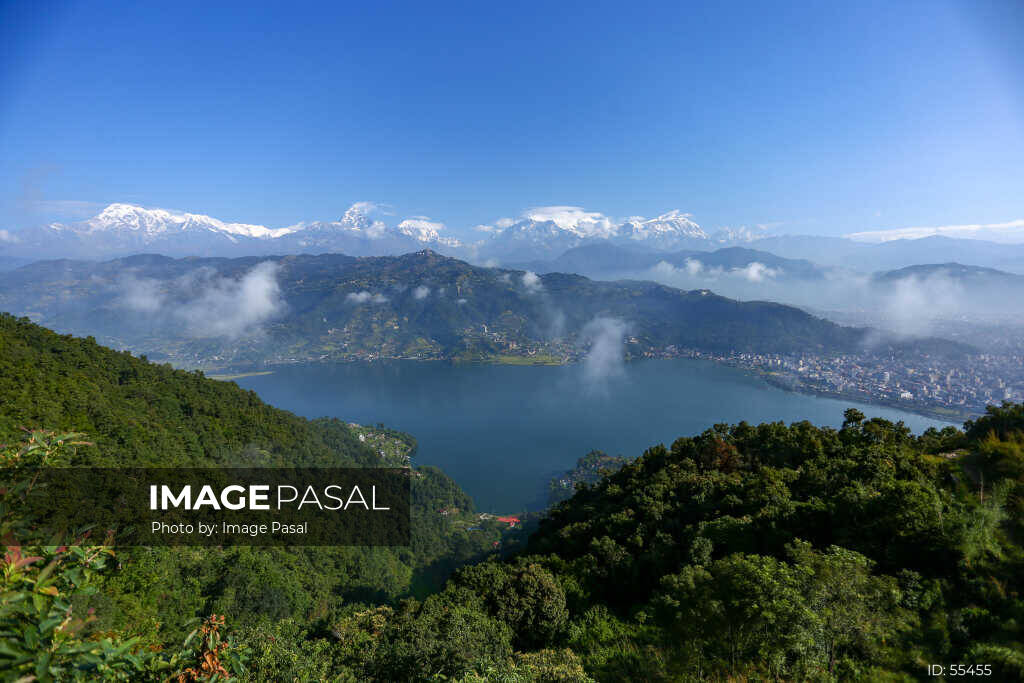
- Lakes: Phewa and Begnas in Pokhara, Rara, and Taudaha near Kathmandu, especially on still mornings.
- Heritage squares: Bhaktapur, Patan and Kathmandu Durbar Squares in late-afternoon light.
- Valley views: Chandragiri, Champadevi and Ghyampe Dada for golden evenings over the Kathmandu Valley.
- Terai fields: mustard and rice fields with mist at sunrise.
Best Blue Hour Subjects
- Boudhanath and Swayambhu stupas with lights on
- Lakeside Pokhara and Thamel streets as shops light up
- Durbar Square temples against a deep blue sky
- Traffic trails on the Ring Road (see our long exposure guide)
Camera Tips for Golden and Blue Hour
- Arrive early. Set up 30 minutes before. The best colour can last just a few minutes.
- Shoot RAW to keep the subtle tones of the sky.
- Set white balance to Daylight or Cloudy to keep golden light warm; Auto can neutralise it.
- Protect highlights. Expose for the bright sky and lift shadows later.
- Bring a tripod for blue hour. Shutter speeds drop to seconds.
- Look behind you. At sunrise and sunset, the light on the opposite side is often the best.
Don’t Ignore the Weather
Haze, clouds and fog can make golden hour even better. Monsoon breaks bring dramatic skies, winter brings the clearest mountain views, and morning fog in the Terai adds mood.
Share Your Golden Hour Shots
Golden and blue hour photos are among the most licensed images for tourism and websites. Upload yours to Image Pasal and make them available to buyers.
Frequently Asked Questions
How long does golden hour last?
About an hour near sunrise and sunset, shorter near the equator and in the mountains where peaks block the low sun.
Is blue hour before or after sunset?
Both: just before sunrise and just after sunset.
What’s the best time for mountain photos in Nepal?
Sunrise, especially from October to February when skies are clearest.